Surah An-Nisa: The Quranic Foundation of Islamic Inheritance
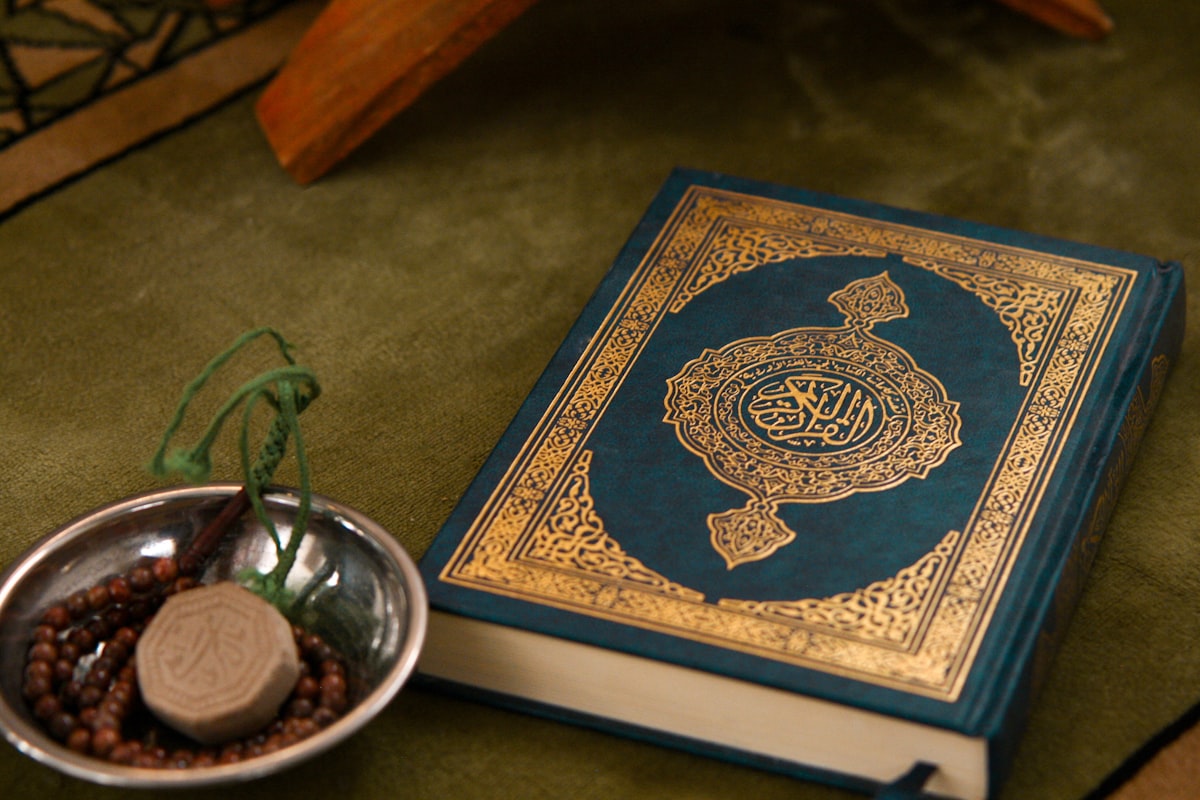
The Divine Mathematics
Unlike most legal rulings in Islam which were derived through scholarly interpretation of the Sunnah and consensus (Ijma), the exact fractions of inheritance were dictated directly by Allah in Surah An-Nisa. Allah explicitly mentioned six different fractions: 1/2, 1/4, 1/8, 1/3, 2/3, and 1/6. This degree of Quranic specificity is unparalleled in any other legal system in the world.
Verse 11 — Children and Parents
يُوصِيكُمُ اللَّهُ فِي أَوْلَادِكُمْ ۖ لِلذَّكَرِ مِثْلُ حَظِّ الْأُنْثَيَيْنِ
"Allah instructs you concerning your children: for the male, what is equal to the share of two females. But if there are only daughters, two or more, for them is two thirds of what the deceased leaves. And if there is only one, for her is half." (4:11)
This verse establishes three key rules simultaneously: (1) the 2:1 ratio when sons and daughters coexist; (2) the 2/3 rule for two or more daughters; (3) the 1/2 rule for a single daughter when no son is present. The same verse continues to establish the 1/6 share for parents when children are present.
Verse 12 — Spouses and Uterine Siblings
Verse 12 of Surah An-Nisa is remarkable for its precision. It specifies the husband's share as 1/2 without children and 1/4 with children, then immediately specifies the wives' share as 1/4 without children and 1/8 with children. It continues to detail the shares of uterine (maternal half) siblings — 1/6 for one and 1/3 shared for two or more.
Verse 176 — The Case of Kalalah
The final verse of Surah An-Nisa (4:176) addresses a specific and important case: the kalalah — a person who dies leaving neither living parents nor direct descendants. In this scenario, siblings inherit. The verse details that full or consanguine brothers and sisters inherit as Asabah, while full sisters receive 1/2 (single) or 2/3 (multiple) when they inherit as fixed-share heirs.
Why the Quranic Specificity Matters
The extraordinary detail of these verses has profound theological significance. Allah said at the end of verse 11: "You know not which of them, whether your parents or your children, are nearest to you in benefit." By taking the calculation entirely out of human hands, Allah prevented precisely the kind of family injustice and financial manipulation that plagued pre-Islamic Arabian society — where women received nothing and wealth was accumulated only by the powerful.